

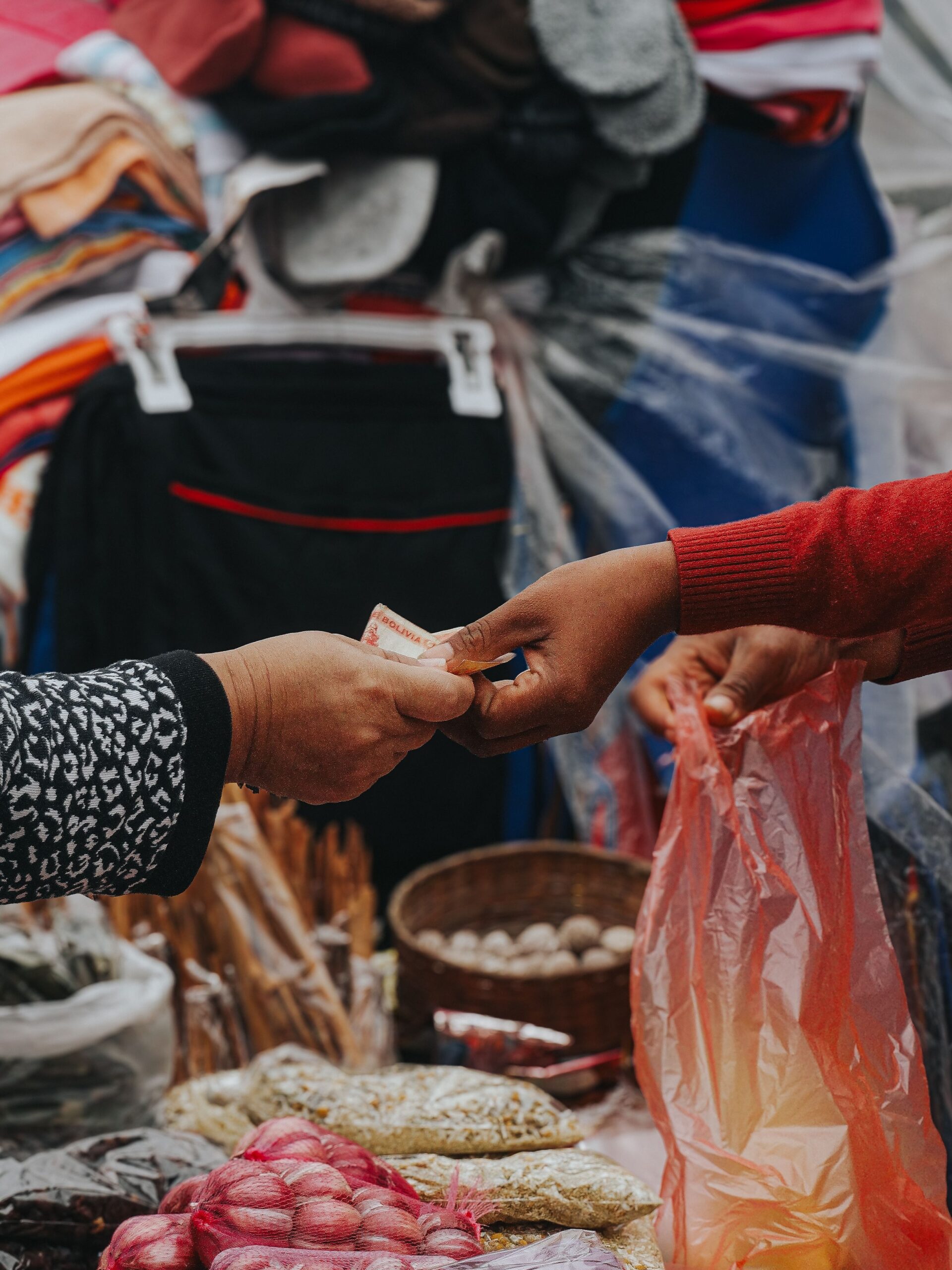
Every day, individuals and businesses across Ghana enter into transactions to buy and sell goods, from food products, electronics, and apparel to vehicles, construction materials, and agricultural commodities. While these transactions seem straightforward, disputes frequently arise over defective items, ownership claims, or unexpected damage during delivery.
Understanding the legal framework governing sales transactions in Ghana is essential to protecting your business or personal interests. Here is a practical breakdown of how the law works, who bears the risk, and what rights buyers and sellers hold under Ghanaian law.
What is the Legal Framework for the Sale of Goods in Ghana?
The legal framework governing the sale and purchase of goods in Ghana is primarily set out in the Sale of Goods Act, 1962 (Act 137).
Act 137 establishes the baseline legal obligations, duties, and rights for both buyers and sellers across the country.
What is a Contract for the Sale of Goods?
A contract for the sale of goods occurs when a seller agrees to transfer the legal ownership of goods to a buyer in exchange for an agreed monetary price whether paid in full or in part.
Key Takeaway: A sale contract does not always need to be in writing. Under Act 137, a legally binding contract can be formed through:
- A formal written agreement
- An oral/verbal agreement
- The conduct of the buyer and seller
While oral agreements are legally binding, putting terms in writing is always recommended to avoid costly legal disputes later.
What Qualifies as “Goods”?
Under Ghanaian law, goods generally refer to movable property, which are items that can be moved from one place to another without altering their core value, nature, or form. These fall into two main categories:
- Existing Goods: Items currently owned or possessed by the seller at the time the contract is made.
- Future Goods: Items yet to be manufactured, produced, imported, or acquired by the seller.
Key Contract Terms Under Ghana’s Sale of Goods Act
Like any legal agreement, a sale of goods contract contains specific terms defining each party’s duties. In Ghanaian law, these terms are split into Conditions and Warranties:
- Condition: This is a fundamental term of the contract. If breached, the injured party can terminate (repudiate) the contract and claim damages.
- Warranty: This is a subsidiary or secondary term. A breach allows the injured party to claim damages but does not allow them to terminate the contract.
Implied Terms Protecting Buyers in Ghana
Even if a written contract doesn’t state them explicitly, Act 137 automatically infers crucial statutory conditions into transactions:
- The Right to Sell
The law implies a condition that the seller has the legal right to sell the goods at the time ownership is intended to pass. A seller cannot escape liability simply by claiming they were unaware they didn’t own the item.
- Conformity to Description or Sample
When goods are sold based on a description or a physical sample, the delivered goods must strictly conform to that sample or description. For instance, if you purchase a specific model of industrial equipment based on a sample, the seller is legally obligated to supply that exact specification.
- Fitness for Purpose and Freedom from Defects
The traditional legal maxim “caveat emptor” (“let the buyer beware”) applies in Ghana, meaning buyers are expected to inspect goods before buying. However, Act 137 sets important exceptions where the seller remains liable:
- Hidden Defects: Where the goods contain latent defects that were not reasonably discoverable or disclosed.
- Fitness for Purpose: The buyer made the intended use of the item known to the seller, relying on the seller’s expertise, and the goods fail to meet that purpose.
Transfer of Legal Ownership and Risk: Who Pays for Damaged Goods?
A common misconception is that ownership only transfers after full payment is made. Under Act 137, ownership transfers when the parties intend it to pass, i.e., whether upon deposit, upon delivery, or upon full payment.
If the parties haven’t specified when ownership passes, the law defaults to this rule: ownership transfers upon delivery of the goods to the buyer.
Who Bears the Risk of Loss or Damage?
Risk determines who pays if the goods are stolen, lost, or destroyed before the transaction finishes.
- General Rule: Risk follows ownership. Whichever party legally owns the goods at the time of damage bears the loss. If owned by the seller, the seller bears the loss and must replace the items or issue a refund. If owned by the buyer, the buyer bears the loss even if payment hasn’t been finalized.
- Exception for Delays: If a party wrongfully delays delivery or pickup, that party becomes responsible for any loss caused by the delay, regardless of who owns the goods.
Frequently Asked Questions (FAQ)
- Does a contract for the sale of goods in Ghana need to be in writing?
No, under Act 137, contracts can be created verbally, in writing, or implied through conduct. However, putting contracts in writing provides essential proof in legal disputes.
- Who is responsible if goods are damaged during delivery in Ghana?
Responsibility depends on ownership or agreement. Unless agreed otherwise, risk follows ownership. If ownership hasn’t passed to the buyer, the seller bears the loss.
- What is the caveat emptor rule under Ghanaian law?
Caveat emptor (“let the buyer beware”) obligates buyers to inspect goods before purchasing. However, sellers remain liable if the item has hidden defects or fails a specific purpose requested by the buyer.
Summary
Whether you are running a retail business or making personal purchases in Ghana, understanding the legalities around ownership, contract terms, and risk transfer prevents costly mistakes. Always ensure your agreements clearly outline when ownership transfers and who covers transit risks to keep transactions smooth and legally sound.
